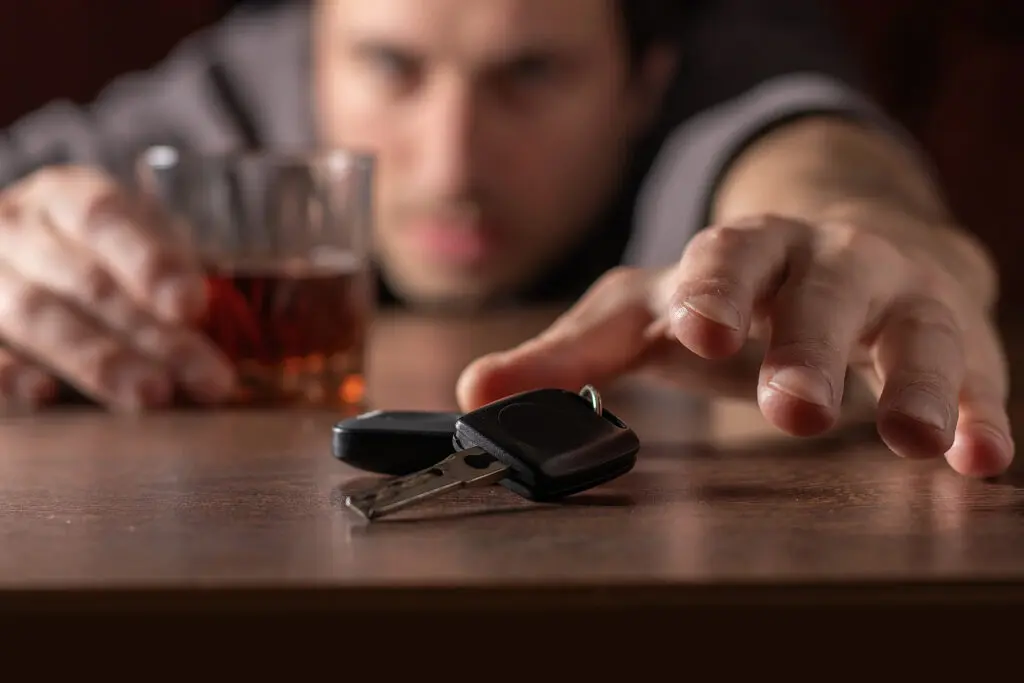
You’ve got your license, and life is good. You’ve got college plans. Maybe you’ve got a job on the horizon, you’re already working, or you’re taking time to figure things out. Then, you’re out at a party and you have a drink — not even enough to give you a buzz, let alone make you drunk. You’re on your way home when you’re pulled over by the cops and arrested for driving under the influence (DUI).
If you’ve been charged with DUI in Chicagoland, our Illinois DUI attorneys can help you figure out the best thing to do so you don’t lose your driving privileges after you’ve only just gotten them. We’ve helped thousands of young drivers charged with underage DUIs, so we know exactly what you’re up against and how to get you the best possible outcome.
What is the law on underage DUI in Illinois?
The law on drunk driving means any driver will be charged with a DUI if they test positive for alcohol intoxication (a blood alcohol content, or BAC, of .08%).
But in Illinois, there’s zero tolerance for underage drinking, which means you’ll face penalties if you have any alcohol in your system — even if you’re under the standard limit.
Illinois’ zero tolerance for drunk driving under 21
The Illinois Compiled Statutes (625 ILCS 5/11-501.8) contains Illinois’ zero-tolerance statute, which applies to individuals under 21 with any detectable amount of alcohol in their system who are driving or in physical control of a vehicle.
When a police officer pulls you over and has probable cause to believe you’ve consumed any amount of alcohol, they can request that you submit to a chemical test. Illinois has implied consent laws, which state that by holding a driver’s license and choosing to drive, you consent to testing.
If you take the test and have a BAC greater than .00%, or you refuse the test, your license will be suspended.
For a first offense under the zero-tolerance law, your license will be suspended for three months if you test positive for alcohol and six months if you refuse the test.
If this happens a second time, you’re looking at a full year without your license for failing the test, or two years if you refuse.
When zero tolerance becomes a DUI charge
While zero-tolerance laws apply to drivers under 21, you will be charged with DUI if your BAC is over the legal limit (.08%). However, if your blood alcohol content is between .05% and .08%, and there is additional evidence of impaired driving (such as weaving between lanes, poor performance on field sobriety tests, or physical signs of intoxication like bloodshot eyes and slurred speech), the officer may charge you with DUI.
What penalties can you expect for drunk driving under 21?
The distinction between a zero-tolerance violation and a DUI charge is an important one.
A first-time DUI is charged as a Class A misdemeanor. If convicted, your license will be revoked for a minimum of two years, and a judge can sentence you to spend up to one year in county jail and impose a fine of up to $2,500.
This isn’t something to take lightly. A conviction will give you a criminal record. It can’t be expunged or removed, and it’ll appear on background checks for housing, professional licensing, and job and college applications.
We don’t say this to scare you, but we want you to be prepared for the possible consequences and show you why just pleading guilty to the charge can cause you more grief later on.
If you’ve been charged with a DUI as an underage driver, it needs to be handled the right way. We can look at the evidence related to your offense and minimize the damage, if not get your charges dismissed completely.
Why hire an underage DUI lawyer?
An underage DUI charge doesn’t have to derail your future.
Several outcomes are possible for an underage DUI in Illinois, including:
- Dismissal of your charges
- An acquittal (not guilty verdict)
- A plea to a reduced charge
- A conditional discharge conviction
- Probation
- Court supervision (this is available for first offenses and will avoid a criminal record upon completing the court’s requirements).
The best outcome for you will depend on your circumstances and the strength of your case, which is why it’s crucial to speak to a Chicago underage DUI lawyer about your situation.
Your personalized GamePlan
Every case is different, so we develop a personalized defense strategy based on your unique situation. We call this your GamePlan.
Think of it as a custom document tailored to your case. It starts with understanding your case, what’s important to you, and what’s achievable. Then, we’ll craft a winning strategy with you, combining the available evidence with our PlayBook of winning techniques and hundreds of years of combined experience. The final step? We put it into action.
Our attorneys regularly appear in every courthouse across Chicagoland, so we know the judges, prosecutors, and procedures in each jurisdiction. This local knowledge, combined with our experience handling DUIs and traffic violations, makes us the top choice for a defense strategy tailored to your unique needs and circumstances.
Frequently asked questions about underage DUI
Do I have to tell my employer about an underage DUI?
Whether you need to tell your employer depends on your specific job and the outcome of your case. If you drive as part of your role, you’ll need to disclose a license suspension or revocation, as it will directly impact your ability to do your job. Many employers have policies requiring employees to report any charges or convictions that impact job performance.
For jobs that don’t involve driving, you won’t have to disclose that you’ve been charged (but not convicted) unless your employment contract requires you to. If convicted, whether you’ll need to disclose it depends on your job. Licensed professionals such as teachers and nurses are held to high standards, and failure to report a DUI can result in disciplinary action.
Whatever your situation now, remember that a conviction will mean a criminal record, which will appear on any background checks future employers may conduct.
As a young driver, an underage DUI can affect your life in many ways. We understand the potential impact of a DUI on your career now and in the long term, and we consider this when developing your tailored defense strategy.
Can I get my underage DUI case dismissed?
Absolutely. Several legal grounds can lead to your charges being thrown out. The key is in identifying weaknesses in the prosecution’s case. Some of the common grounds for getting a DUI dismissed include:
- The police officer didn’t have reasonable suspicion to pull you over.
- An officer overstepped their jurisdiction.
- The breathalyzer test wasn’t administered properly.
- Challenging the validity of chemical test results
- You were not read your Miranda rights when you were considered in custody (such as if you were sitting in a police officer’s car and didn’t feel free to leave).
Read more: 54 Ways We’ve Beaten DUIs in Illinois Getting your case dismissed isn’t guaranteed, but when you hire our top-rated underage DUI attorneys, you can be confident that we’ll dig into every detail of your case and exploit any opportunity to get your charges overturned.
Will I go to jail for an underage DUI?
A first DUI is a Class A misdemeanor carrying up to one year in jail. However, while jail time is technically possible for an underage DUI, it’s relatively rare, unless there are aggravating factors like causing an accident, where the charge is elevated to a felony.
Courts typically reserve jail sentences for cases involving repeat offenders, dangerous behavior, or situations where someone was hurt.
Even though jail time is uncommon for first offenses, it’s still a possibility that should be taken seriously. A skilled lawyer can negotiate outcomes that avoid jail — or a criminal record — entirely.
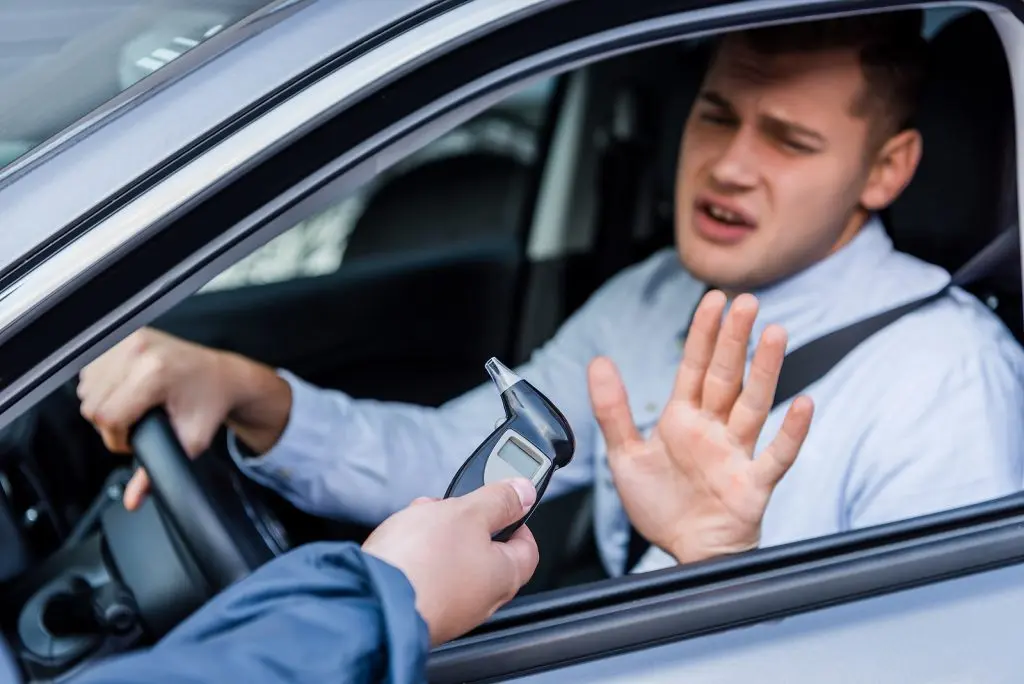
Can I refuse a breathalyzer test if I’m under 21?
Any driver has the right to refuse a breathalyzer, but it will have consequences.
If you refuse the test, you’ll face a longer license suspension than if you take the test and fail.
However, from a criminal defense standpoint, refusing the test can make it harder for prosecutors to prove their case against you. Without a breathalyzer result, the state must rely on the officer’s observations, field sobriety test results, and other circumstantial or subjective evidence, and these are easier to challenge in court.
Because of Illinois’ zero-tolerance law, if you take the test and blow just a .01% BAC, the prosecution has evidence they can use against you. If you’re charged with DUI, the stakes are even higher. The only scenario where taking the test can benefit you is if you’re absolutely certain you haven’t consumed any alcohol and will register .00% BAC. Even trace amounts of alcohol from mouthwash, cough medicine, or a drink consumed hours ago could register on a chemical test.
If you have any doubt about whether you might have alcohol in your system, refusing the test is often the strategically better choice, despite the longer suspension period.
That said, if you’ve already taken the breathalyzer and tested positive, it’s still possible to fight a DUI charge even with a failed breathalyzer result. Test results can be challenged based on calibration issues or administration errors, or they may even be inadmissible if the police had no reason to pull you over to begin with.
The most important thing to remember is that you should speak with an attorney, whether you took the test or refused it. The decision about how to handle your traffic stop has already been made, but what you do next will influence the outcome of your case.
When does my license suspension start, and can I fight it?
Whether your license has been suspended because you failed the breathalyzer or refused to take the test, you might be worried about not being able to drive to work or school. Fortunately, your license suspension doesn’t begin immediately after your arrest. You have 45 days from the date you received your Notice of Statutory Summary Suspension (typically the same day you were arrested) before your suspension officially takes effect. On the 46th day, your suspension begins, and driving without a valid permit becomes illegal and can lead to additional criminal charges.
This 45-day window gives you time to take action. An attorney can fight your suspension by requesting an administrative hearing. You must request this hearing within 90 days of your arrest, but the sooner you request it, the better. If you wait until after your license is formally suspended to request a hearing, you won’t be able to legally drive until your suspension is either served or overturned.
Alternatively, a judge can grant a Restricted Driving Permit (RDP) or Monitoring Device Driving Permit (MDDP). An MDDP allows you to keep driving during your suspension as long as you have a Breath Alcohol Ignition Interlock Device (BAIID) installed in your vehicle, which prevents the engine in your car from starting if your blood alcohol content is over the specified level. An RDP is more limiting and can specify when and where you can drive. For example, you may be permitted to drive but only to and from work between 8 and 9 am and 5 and 6 pm.
Ideally, you should consult an attorney as soon as possible after you receive your Notice of Statutory Summary Suspension. The clock will continue ticking, whatever you do, and an attorney can do a lot more in 40 days than in four.