A DUI charge is hard for anyone. For a nurse in Illinois, it can also put your professional license at risk.
The Illinois Department of Financial and Professional Regulation (IDFPR) takes DUI cases seriously. A conviction can lead to a review of your nursing license — and possible discipline.
You need two kinds of help working together:
- A DUI defense lawyer for the criminal case and the driver’s license hit.
- A professional license lawyer for the nursing-board / IDFPR track.
Driver Defense Team focuses on traffic and DUI defense. We also work with trusted professional-license counsel so both tracks stay coordinated. Offices in Chicago and Villa Park. We are in Cook, DuPage, Kane, Lake, and Will County courts. Call for a free case review: (312) 487-4700.
Why the stakes are higher for nurses
IDFPR looks at DUI through patient safety. They may ask about:
- Your judgment and decision-making
- Possible substance-use issues that could affect patient care
- Safe medication practice
- Public trust in nursing
On top of the usual DUI risks — a driver’s license suspension after arrest, and if convicted a fine up to $2,500 and up to one year in jail for many first misdemeanor cases — the Nursing Board can also act on your nursing license if they see a patient-safety risk.
For many first DUIs, IDFPR does not revoke the nursing license. They may use probation, screening, or practice limits. Those steps can still affect jobs long-term.
IDFPR reporting rules (short)
If you are arrested for DUI in Illinois, know who reports what.
In Illinois, a DUI conviction must be disclosed to IDFPR — the nursing-license renewal application asks about convictions, and an adverse final action like a conviction or guilty plea has to be reported. There is no blanket duty to report the arrest itself. Reporting a conviction late, or not at all, can bring separate discipline on top of the criminal case.
The Board of Nursing may treat a DUI as possible unprofessional conduct, with public safety in mind. Talk to a professional-licensing attorney about how to report. Talk to a DUI attorney about the criminal charge.
Court dates: A DUI is a criminal charge. You appear for criminal dates — in person, or by Zoom only if that court authorizes Zoom for that date. We tell you what each date requires.
What happens when you’re a nurse and you get a DUI?
After a DUI arrest, two processes often run at the same time. That can feel like a lot. Knowing the tracks helps.
1) The criminal case (and the driver’s license hit)
You usually get a court date within a few weeks. The case can take months, depending on plea talks or trial.
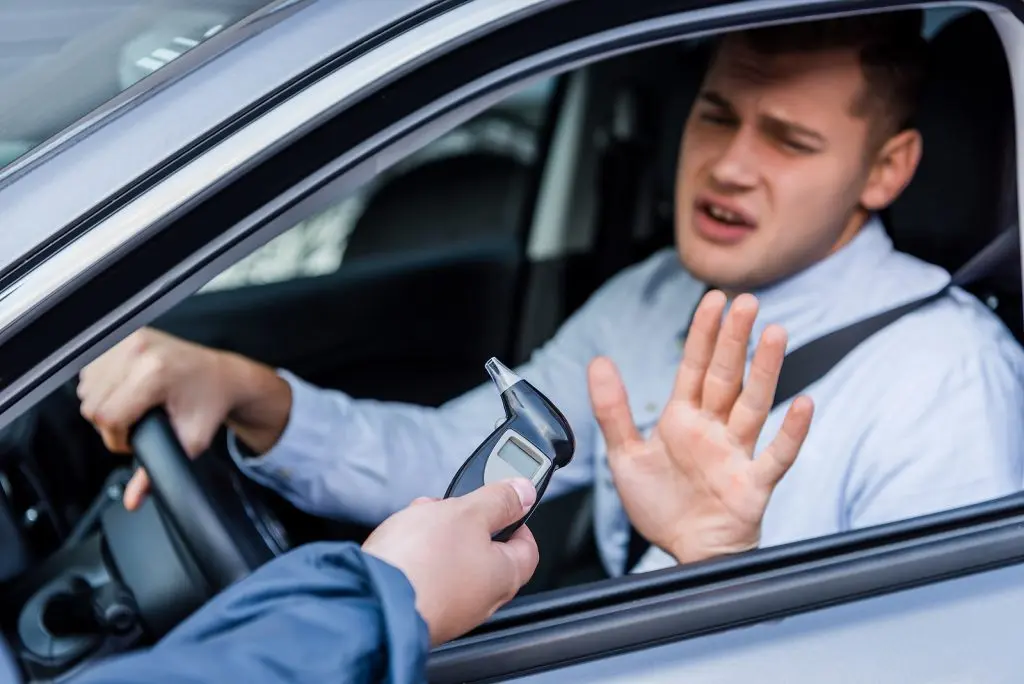
If your blood alcohol was .08 or higher, or you refused the breath test, the Secretary of State can also suspend your driver’s license. That summary suspension is separate from guilty or not guilty. A DUI lawyer can explain options to challenge that suspension on its own timeline. See also first offense DUI and the DUI hub.
2) The IDFPR review
The nursing board often waits to see how the criminal case ends before a final discipline decision. They do not have to wait. They can open a review based on the arrest or charge alone if they see an immediate safety risk or a substance-use concern.
In most cases, the criminal result still matters a lot to IDFPR. A reduction, dismissal, or not-guilty finding usually helps your professional case. Revocation or a long nursing-license suspension is less likely when the criminal case ends well — but every file is different.
Frequently asked questions about DUIs for nurses in Illinois
Can a nurse lose their license for a DUI in Illinois?
Yes, but it is not automatic. IDFPR can discipline a nursing license after a DUI conviction. They often do not revoke for a first offense. Probation, monitoring, or practice limits are more common. The board looks at the arrest facts and your professional history.
What happens to my nursing license after a DUI?
Your nursing license can go through an IDFPR review. The board may look at whether this is a first case, any aggravating facts, and your overall record. Possible outcomes include:
- Often no action when charges are dismissed or you are found not guilty — though IDFPR can still review the underlying conduct
- Probation with conditions such as regular drug screening
- Practice limits (for example, limits on certain medications)
- Temporary suspension in more serious cases
The outcome depends heavily on how the criminal case ends and how you present your case to the board.
Will the IDFPR discipline me for a DUI?
IDFPR will likely review the file. Discipline is not guaranteed. For a first DUI with no aggravating factors, many nurses see probation or monitoring rather than suspension or revocation. A history of substance use, prior discipline, or especially dangerous conduct can bring stricter results.
How does a DUI affect nurses in Illinois?
It hits on more than one level. Right away, you face criminal penalties, possible jail and fines, and a driver’s license suspension track. Professionally, IDFPR reviews with patient safety first. Even if you keep your nursing license, some employers have strict DUI policies. Long-term, a DUI can affect job options, specialty credentials, and advancement — depending on how the case resolves.
Can you be an RN with a DUI?
Yes. Many nurses keep practicing after a DUI, especially first-time cases that finish probation terms and show rehabilitation. The key is to handle the criminal case and the licensing track early, with clear advice on both.
How we can fight your DUI and protect your nursing career
We challenge weak points in the DUI case when the facts support it. We address the driver’s license suspension timeline. We coordinate with professional-license counsel so IDFPR reporting and strategy stay aligned with the criminal case.
Every case is different. There is no promised result.
Driver Defense Team has deep traffic and DUI experience across Chicagoland. Call (312) 487-4700 for a free case review. Chicago and Villa Park. Cook, DuPage, Kane, Lake, and Will Counties.