
Auto Accident & Injury
Who's at Fault in a Multi-Vehicle Crash in Illinois?
Accidents involving three or more vehicles can be far more dangerous and complex than standard crashes. Determining liability isn't always straightforward, especially when multiple drivers and conflicting witness statements are involved. Under Illinois law, fault is not always assigned to a single driver. Instead, liability is determined under comparative negligence law, which means more than one driver can share responsibility for causing the multi-vehicle crash. If you've been involved in a multiple-vehicle collision, this guide explains exactly how fault is determined, what affects liability, and how an accident injury lawyer can advise you.
Quick Facts: A Multi-Vehicle Crash
A multi-vehicle crash involves three or more cars. Who's to blame comes down to comparative negligence law. You can get compensation even if you were deemed to be 40% to blame. A multiple-vehicle collision can cause both physical and psychological injuries. You'll need an experienced accident lawyer on your side to help you build a strong defense.
What Is a Multi-Vehicle Crash?
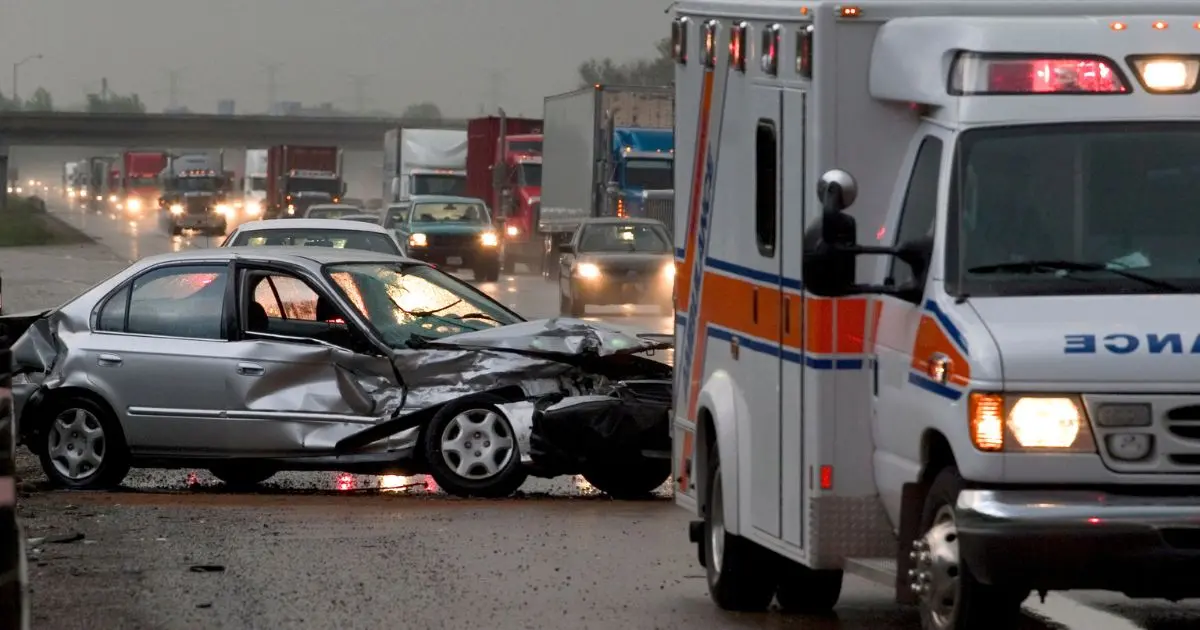
A multi-vehicle crash involves three or more cars. Also known as a pile-up, a multiple-vehicle collision typically occurs on highways, under poor visibility, or at high speeds. It can be caused by a chain reaction, when one car hits another and pushes it into a third or even fourth vehicle. Due to multiple vehicles colliding together, these types of collisions can cause far more serious injuries, like broken bones, a concussion, and internal bleeding.
What Is Most Likely to Cause a Multi-Vehicle Collision?
A multi-vehicle crash can have several causes. The most common include:
Aggravated Speeding
When a driver is going over 26 mph above the speed limit, this is known as aggravated speeding. It's an aggressive type of speeding that can cause serious accidents and injury to others. Drivers going too fast could hit a curb and collide with another car, or a strong gust of wind could trigger a chain of events.
DUI
Driving under the influence (DUI) occurs when a driver is operating a vehicle while impaired by drugs and/or alcohol. Being intoxicated can significantly reduce reaction time, judgment, and concentration, increasing the risk of a serious multi-vehicle crash.
Weather
Illinois is known for its variable climate with cold winters and hot summers. Conditions such as black ice can cause vehicles to lose control and trigger chain-reaction collisions, while strong winds and heavy storms can also contribute to dangerous driving conditions.
Understanding Who's At Fault
Under Illinois law, every driver has a legal obligation to operate their vehicle safely. Failing to do so is considered comparative negligence. Illinois law follows a modified comparative negligence rule, meaning if you were found to be less than 50% at fault, you may still recover damages. If you were found to be 51% or more to blame, you won't receive any damages.
For example, if your damages total $100,000 and you are found to be 20% at fault, your compensation would be reduced by 20%, meaning you would receive $80,000.
How Is Blame Determined?
In a multi-vehicle crash, proving who is at fault comes down largely to evidence. Police reports provide an officer's initial assessment of the scene and are typically the starting point. Personal evidence is also essential — if possible, take pictures of the accident including tire marks, injuries, and dashcam footage, along with a written account of the crash. Digital evidence such as dashcam and video footage is also critical. Finally, witness statements from neutral third parties who observed the crash from a bridge or sidewalk can provide unbiased accounts.
The Consequences Of a Multi-Vehicle Crash
Being involved in a multi-vehicle collision is incredibly scary, especially when secondary impacts are possible. This type of car accident often causes serious injuries that have long-term physical, emotional, and financial impact, and in some cases can be fatal.
Brain and Head Injuries
Common head injuries include minor traumatic brain injury (TBI), skull fracture, and brain bleeds.
Neck and Spinal Cord Injuries
These include whiplash, soft tissue damage (sprains), herniated and slipped discs, and paralysis (partial or full).
Broken Bones
Common fractures include arm, leg, and rib fractures, pelvic fracture, and broken facial bones.
Psychological Injuries
Psychological effects can be just as serious as physical injuries. Many people experience long-term trauma including post-traumatic stress disorder (PTSD), anxiety and depression, driving anxiety, and sleep disorders, which may prevent them from returning to the road.
Consult an Accident Lawyer
If you were involved in a multi-vehicle collision, it's essential to consult an accident lawyer. At Driver Defense Team, we have over 114 years of combined experience supporting drivers and passengers involved in multiple-vehicle collisions. If you've been injured physically, psychologically, or both, you could be due compensation. If you're unsure whether you have a case, contact our team today for a free case evaluation. We'll go through the crash itself, evidence, and injuries. Based on this, we'll put together different defense strategies to legally help you. The sooner you get legal help, the better your chances.
FAQs: Understanding Multi-Vehicle Crashes
How many cars are involved in a multi-vehicle crash?
Three or more cars involved in a car crash count as a multiple-vehicle collision.
What can cause a multi-vehicle crash?
A range of events including poor weather, DUIs, running a red light, speeding, a medical emergency, poor road conditions, and following too closely.
In a three-car collision, who is at fault?
Fault depends on each driver's actions. Under Illinois comparative negligence law, multiple drivers can share responsibility based on their level of fault.
What is comparative negligence in a multi-vehicle crash?
Comparative negligence means fault is divided between drivers. You can still recover damages if you are less than 50% responsible.
Need help with a ticket or DUI?
Talk to the Team. A free case evaluation is just a phone call away.